I'm searching for something, through music and sound.

Biography
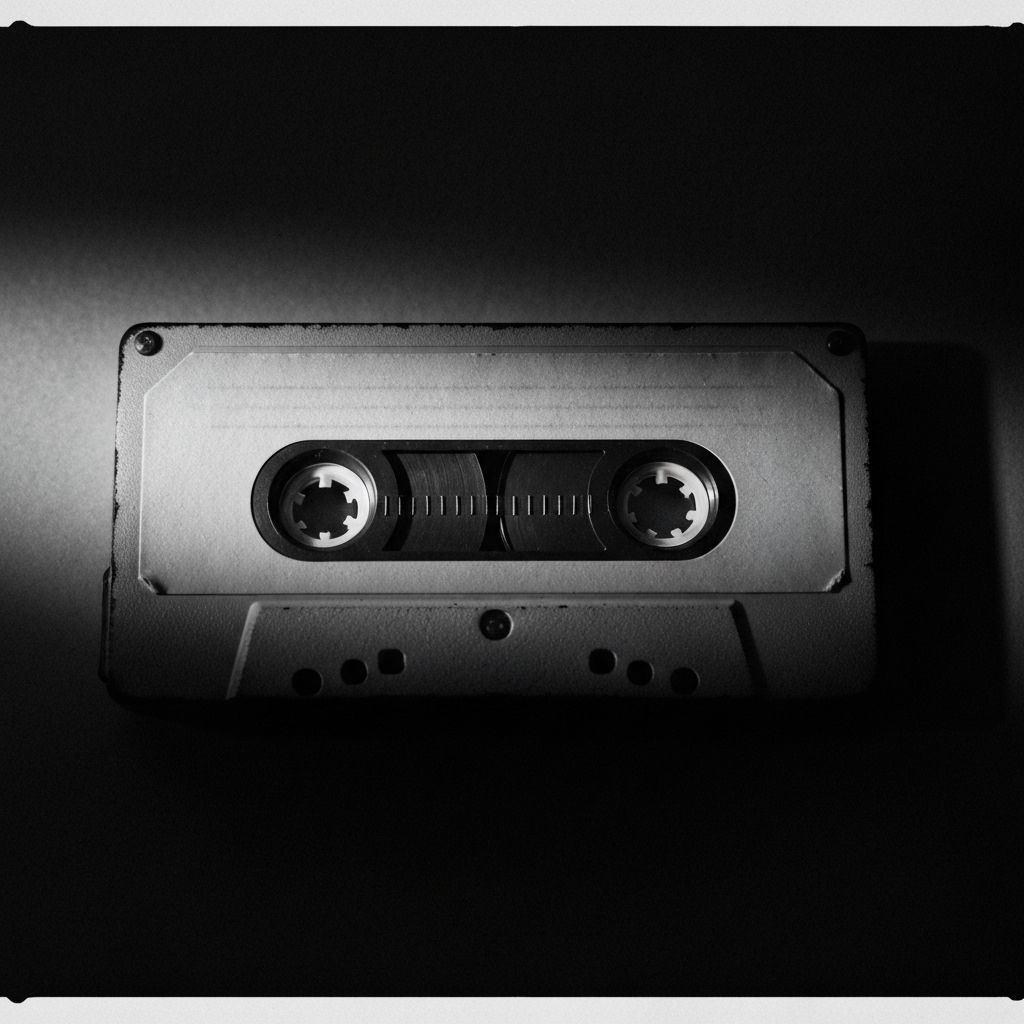
Helmi Kobbi is an experimental sound artist and composer working at the intersection of memory, technology, and human perception. Born in Tunis, Tunisia, he developed an early fascination with the sounds of degrading cassette tapes — the hiss, the warble, the way magnetic oxide slowly erases itself over time.
His practice centers on what he calls "memory machines" — systems designed to capture, process, and inevitably lose information. Working primarily with field recordings, cassette manipulation, and granular synthesis, he creates sonic environments that explore the unreliability of memory and the beauty found in degradation.
He studied electroacoustic composition at the Institut Supérieur de Musique de Tunis before relocating to Doha, Qatar, where he continues to develop his practice while working on sound design for cultural institutions across the Gulf region.
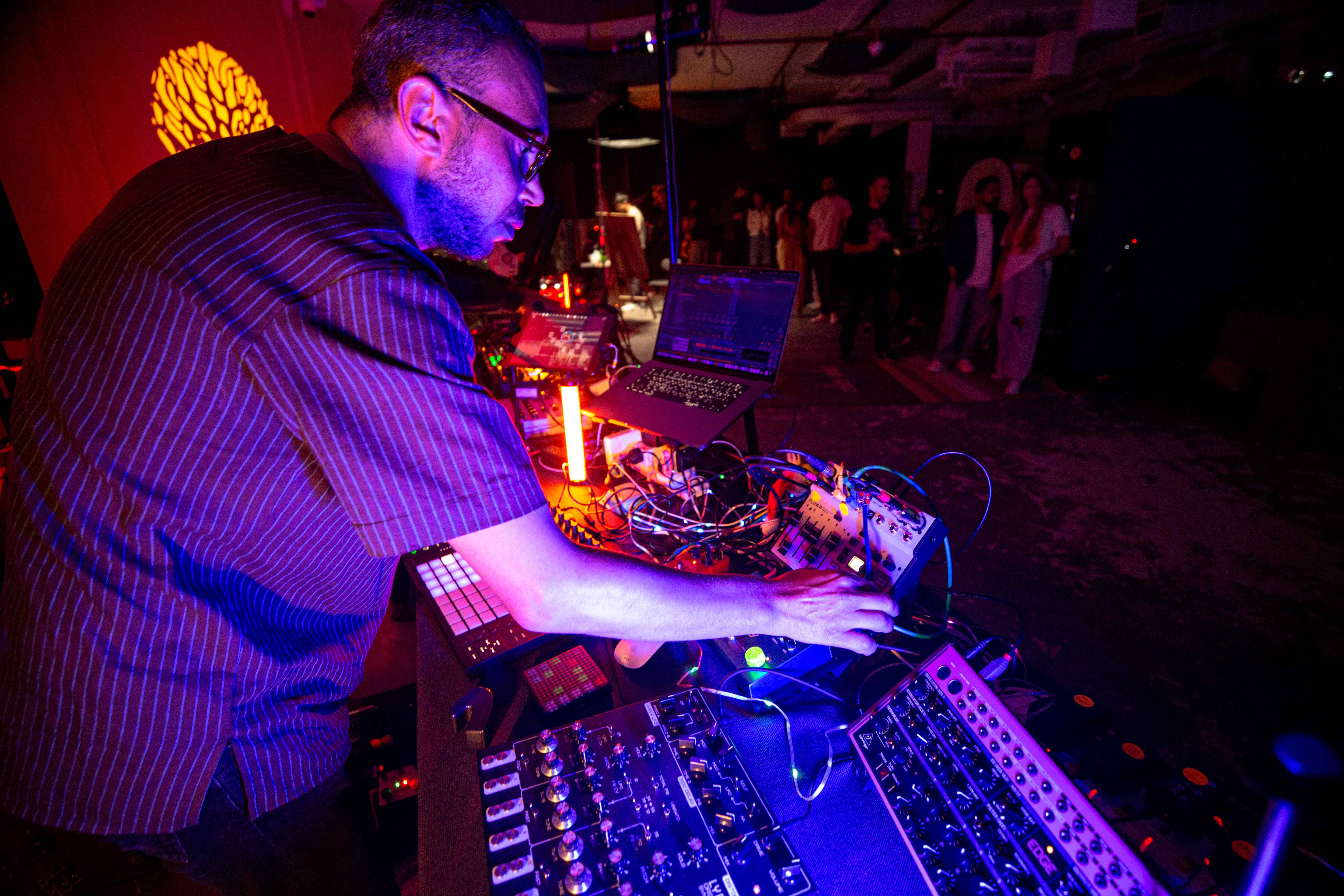
Notable projects include INIT EP (2024), a meditation on the three voids — space, time, and people; Breathing Room, an interactive installation exploring collective breath; and MELD, a live audiovisual performance examining the boundaries between human and machine memory.
His work draws from the tape experiments of William Basinski, the field recording philosophy of Chris Watson, the systems thinking of Brian Eno, and the poetic minimalism of Ryuichi Sakamoto. He is equally influenced by the call to prayer echoing through Tunisian medinas and the electromagnetic hum of server rooms.
The Machine

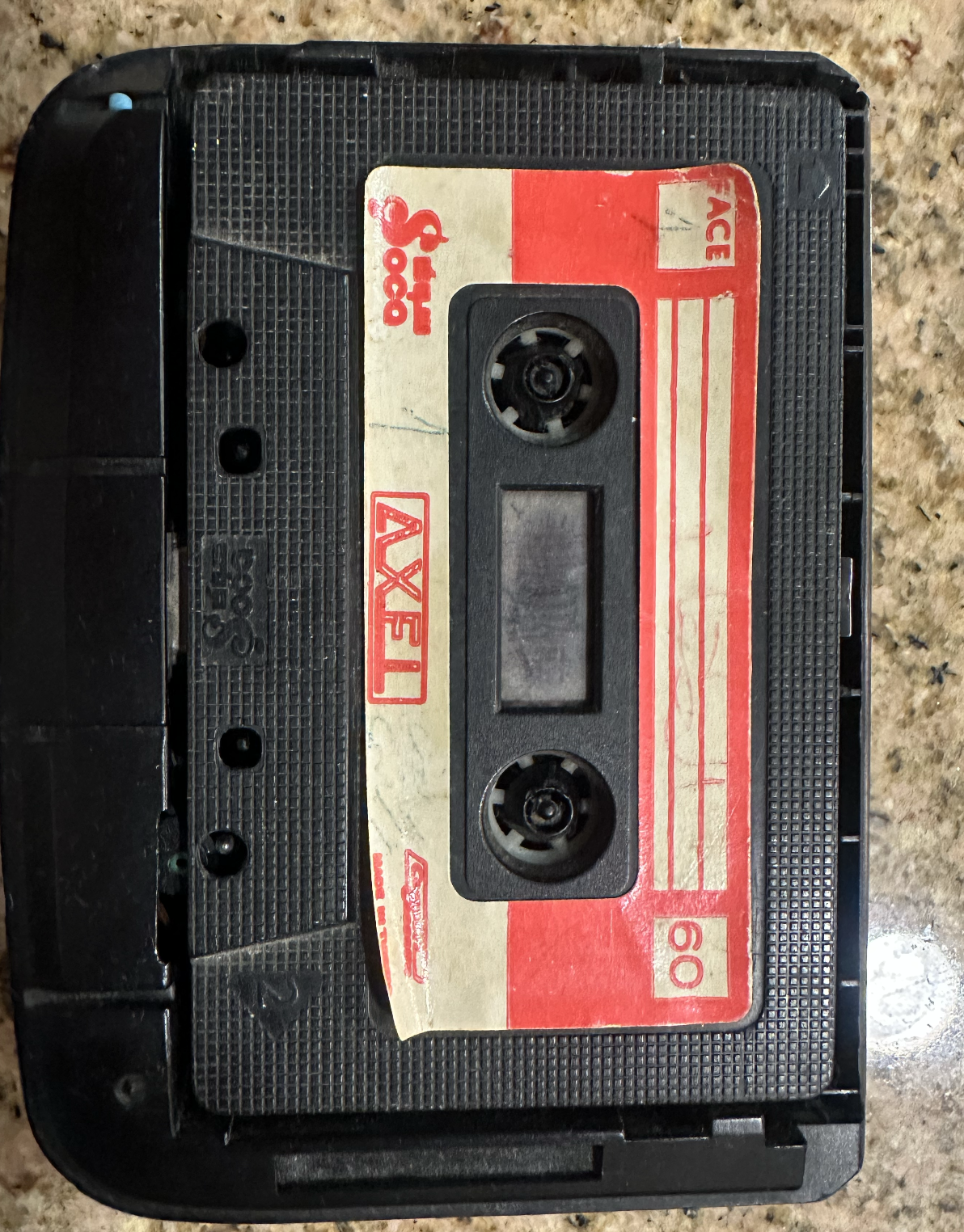

Teenage playback device. The scratches tell stories.